Dry-Type Transformers vs. Oil-Immersed Transformers: Ten Key Differences and Selection Guide(Rewritten Version)
Choosing between dry-type and oil-immersed transformers can be challenging, as the two differ greatly in structure, performance, application environments, and overall cost considerations. Below is a clearer comparison to help guide selection.
1. Core Differences in Insulation and Cooling Methods
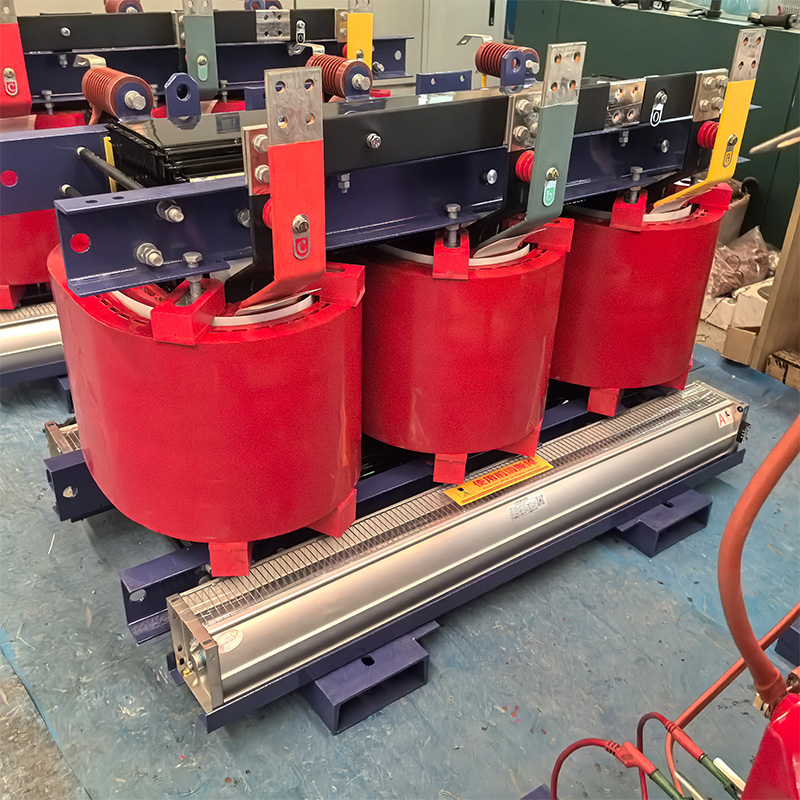
Dry-type transformers rely on air or solid insulation materials such as epoxy resin, using natural air cooling (AN) or forced air cooling (AF). Their epoxy-cast windings provide strong mechanical durability and excellent moisture resistance.
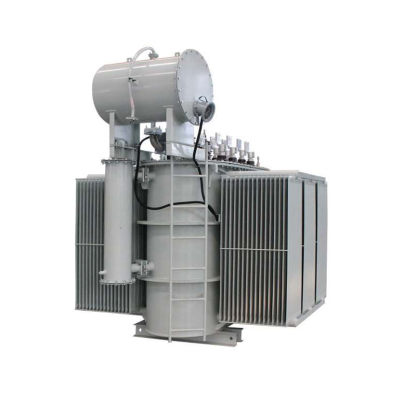
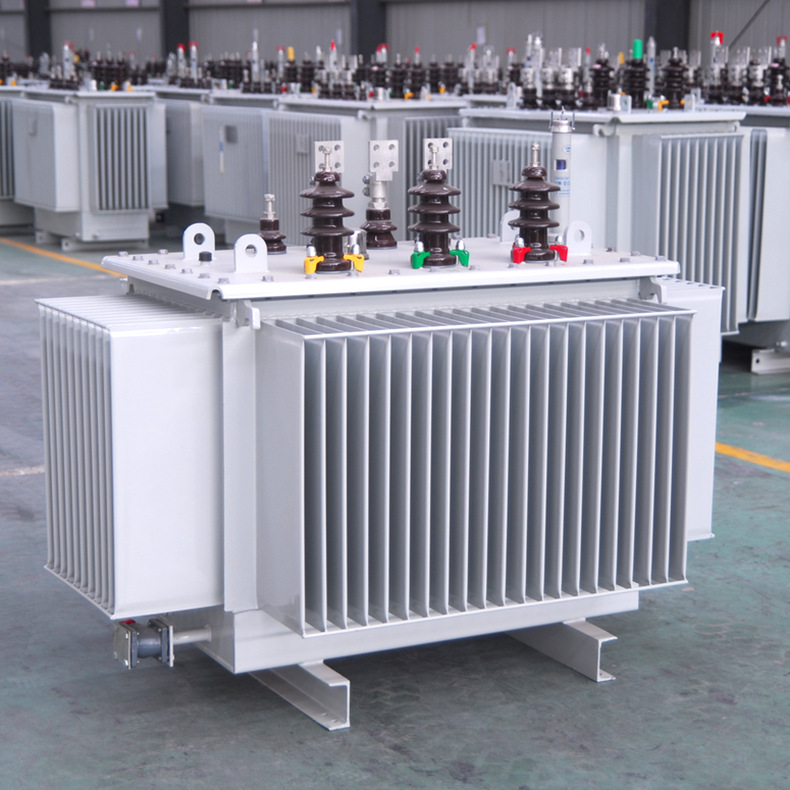
Oil-immersed transformers, however, use insulating oil for both insulation and heat dissipation. Cooling is achieved through oil circulation and radiators, and in some cases, supplemented with oil pumps or fans to boost heat dissipation.
2. Safety Performance Comparison
Dry-type transformers demonstrate distinct safety advantages:
No combustion or explosion risk
Strong flame-retardant properties (Class F insulation)
Suitable for indoor or densely populated environments
Oil-immersed transformers involve certain safety risks:
Insulating oil is flammable
Requires oil pits and fire-safety systems
Generally unsuitable for indoor installations
3. Maintenance Requirement Comparison
Dry-type transformers offer easier maintenance:
No need for oil-related testing
Routine maintenance mainly involves removing dust
Low maintenance frequency and low cost
Oil-immersed transformers demand more complex upkeep:
Regular checks of oil levels and oil quality
Oil testing and filtration are necessary
Higher maintenance workload and expenses
4. Energy Efficiency Comparison
Modern dry-type transformers (such as the SCB14 series):
Reduce no-load losses by roughly 30%
Reduce load losses by around 15%
Achieve national Level 1 energy efficiency standards
Oil-immersed transformers (such as S13 models):
Slightly lower overall efficiency
Technological advancements are gradually reducing the difference
5. Environmental Impact Comparison
Dry-type transformers:
Zero oil leakage risk
Easy end-of-life handling
Strong environmental protection profile
Oil-immersed transformers:
Potential oil leakage pollution
Require professional disposal
Higher environmental compliance demands
6. Installation Condition Comparison
Dry-type transformers:
Can be placed directly near load centers
No need for extra fire or explosion protection
Simple, flexible installation requirements
Oil-immersed transformers:
Must be installed in dedicated transformer rooms
Require protective and fireproof facilities
More restrictive installation conditions