Advantages of Using Galvanized Pipes
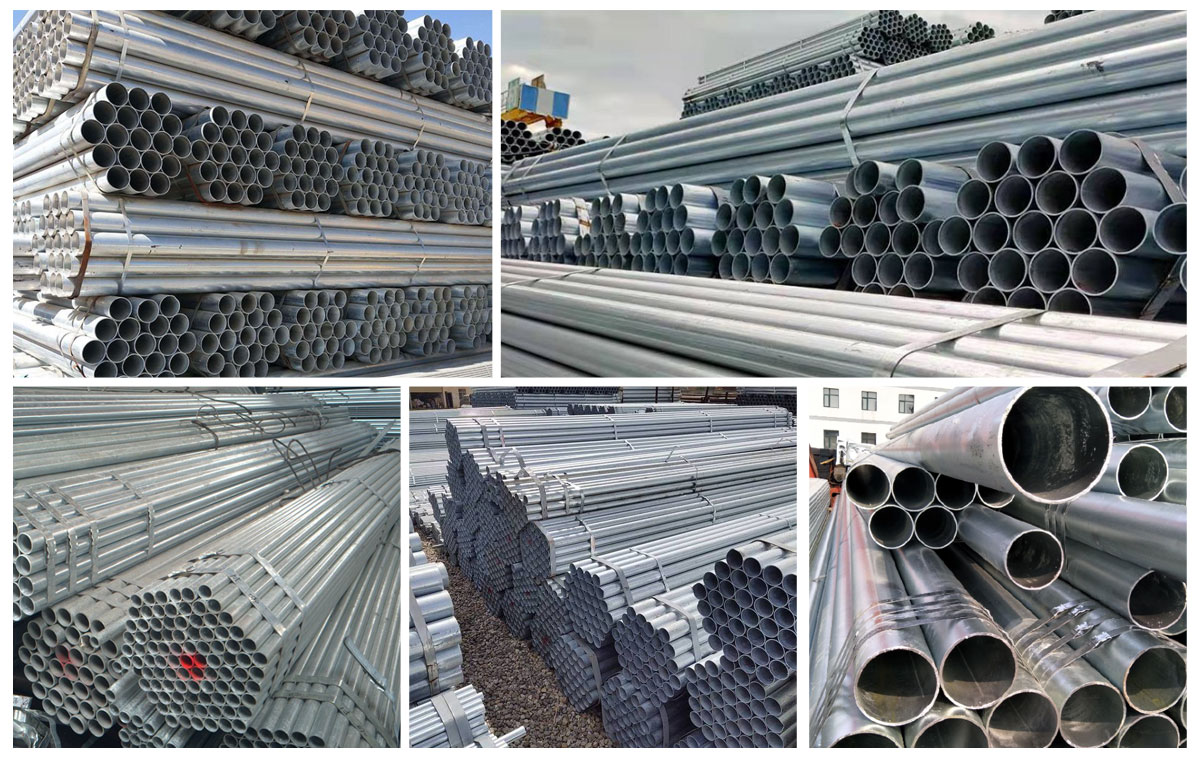
Galvanized (GI) pipes, widely utilized in modern industry and construction, provide notable benefits in terms of corrosion resistance, mechanical strength, service life, cost-effectiveness, and environmental sustainability. The following overview highlights these advantages based on technical principles, practical applications, and market evaluation.
1. Outstanding Corrosion Resistance
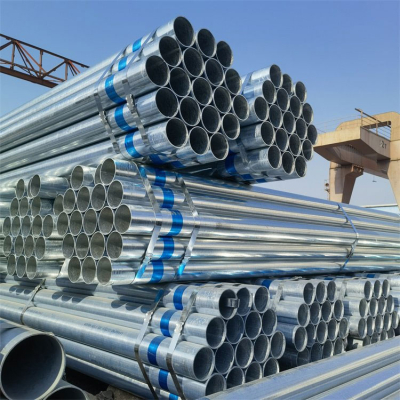
A key strength of galvanized pipes is the protective zinc coating on their surface. Through hot-dip galvanizing (HDG) or electro-galvanizing, a dense zinc–iron alloy layer forms on the steel substrate. Because zinc is more chemically active than iron, it reacts first with oxygen and moisture to produce a basic zinc carbonate layer (Zn₅(OH)₆(CO₃)₂), serving as an effective barrier against corrosion.
Studies indicate that hot-dip galvanized coatings can offer 20–50 years of corrosion resistance, far longer than the 3–5 years typically seen in ordinary black steel pipes. In environments such as coastal regions or chemical plants, galvanized pipes exhibit excellent resistance to salt spray, acids, and alkalis, making them ideal for water and gas pipeline systems.
2. High Strength Combined With Long Service Life
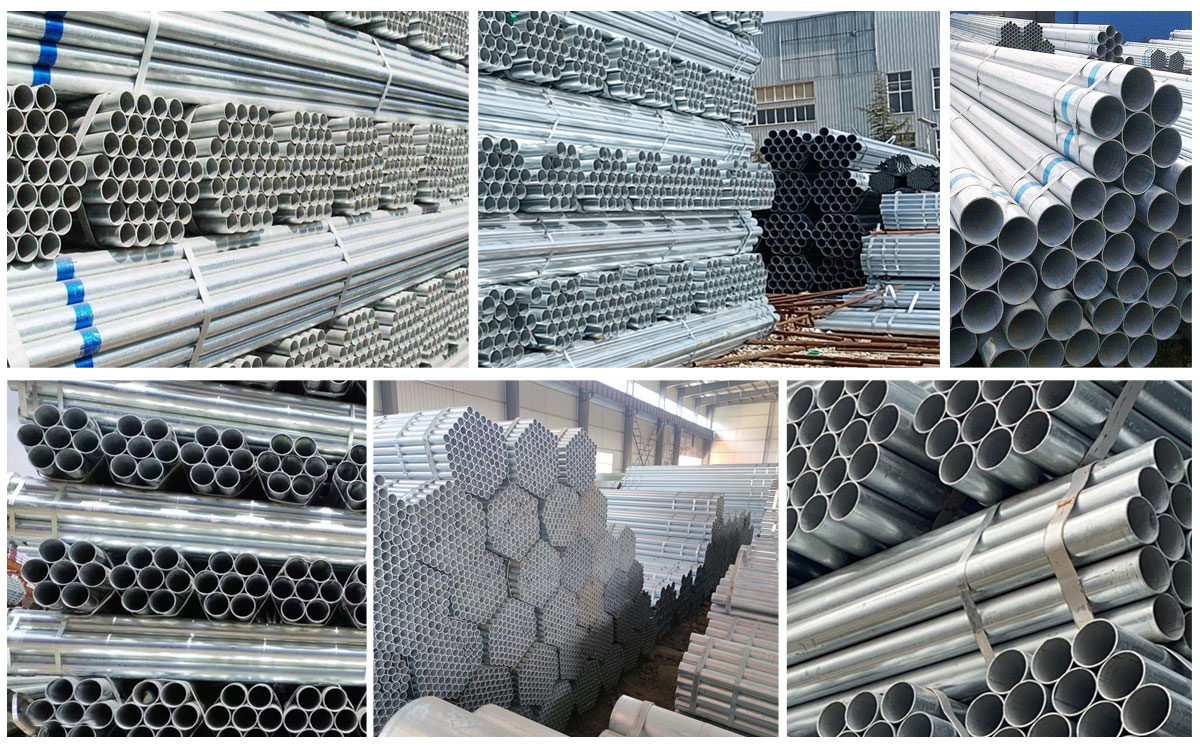
The galvanizing process not only enhances corrosion protection but also strengthens the steel itself. During hot-dip galvanizing, the steel is submerged in molten zinc at approximately 450°C, where zinc and iron diffuse to form a high-hardness alloy layer. This improves compressive strength by 10%–15%.
For example, galvanized pipes used in construction scaffolding can withstand loads exceeding 600 MPa while remaining stable against structural degradation caused by rust. In addition, the zinc layer provides sacrificial protection, slowing corrosion even when the surface is partially damaged. According to market data, galvanized pipes used in municipal engineering projects last over three times longer than uncoated steel pipes.
3. Strong Economic Advantages
Although galvanized pipes cost 20%–30% more upfront than black steel pipes, their long-term expenses are significantly lower. For water supply systems, galvanized pipes reduce the need for routine descaling, repainting, or frequent replacement. A utility company’s analysis showed that over a 30-year period, the total lifecycle cost of galvanized pipes is more than 40% lower than that of black pipes.
Additionally, galvanized pipes are highly standardized, with specifications ranging from DN15 to DN200 covering the vast majority of market needs and reducing custom fabrication expenses. In agriculture, their durability and ease of installation can lower maintenance and operating costs by up to 30%.
4. Environmentally Friendly and Sustainable
Because zinc is fully recyclable, galvanized pipes align well with green construction standards. Over 95% of zinc in discarded galvanized pipes can be recovered, and recycling zinc requires only 30% of the energy needed to produce new zinc. Unlike PVC or other plastic pipes, galvanized pipes do not emit toxic gases during manufacturing and pose no risk of microplastic contamination during use.
According to data from the China Iron and Steel Association, the recycling rate of galvanized pipes reached 82% in 2024, much higher than many other metal products. Some developed countries even offer carbon credit incentives for using galvanized materials in large-scale infrastructure projects, including subway systems.
5. Broad Application Versatility
Galvanized pipes demonstrate superior performance across diverse fields:
Construction: A standard material for fire sprinkler systems due to its excellent fire resistance compared with plastic piping.
Electrical Engineering: Galvanized conduits resist corrosion caused by underground stray currents.
Agriculture: Greenhouse structures made with galvanized frames last up to 15 years, even in high-temperature and high-humidity climates.
Automotive Industry: Electro-galvanized sheets used in car bodies can withstand over 1000 hours of salt spray testing without rust.